B12 Injection Benefits What are the negatives of B12 injections?
What Are the Negatives of B12 Injections? A Cautious Consumer Review for Women 45–54
B12 injections are one of those topics that feels both simple and suspicious: a common vitamin, a quick shot, and a promise that your body will “catch up.” Searches like “negatives of B12 injections” and “side effects of B12 injections for women” keep rising because midlife changes can make deficiency questions feel urgent—fatigue, brain fog, diet shifts, and medication or digestive issues can all be part of the conversation. And unlike supplements that are easy to start and stop, injections are more “committed”: you’re putting a needle into your body, often on a schedule.
If you’re a woman age 45–54 considering or already using B12 injections, the most useful approach is a cautious one. This consumer review explains what the negatives of B12 injections can look like in real life, why the results aren’t guaranteed, and what you can do to reduce risk—without assuming every symptom improvement is automatically “from B12.”
What B12 Injections Is and Who It Might Fit Best
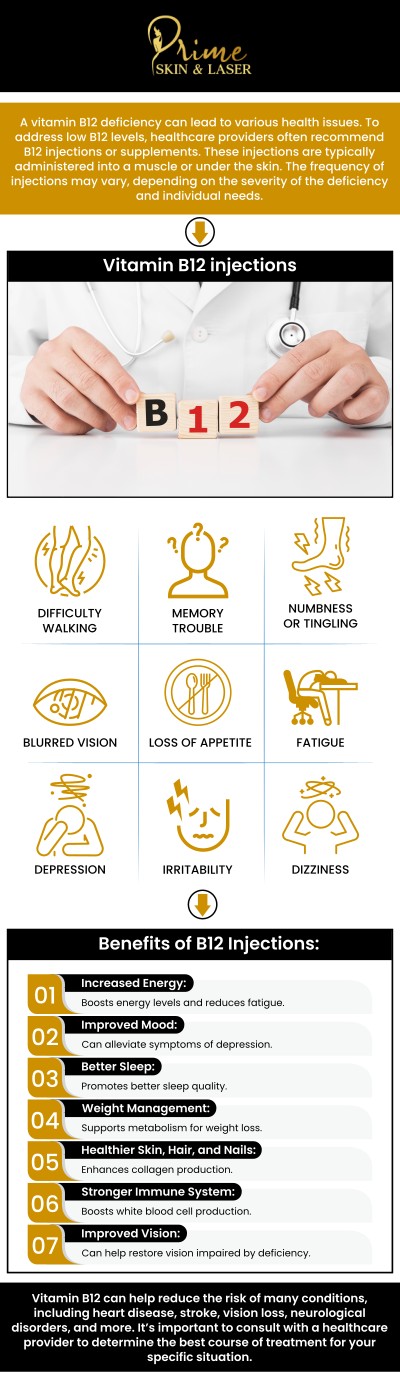
B12 is a water-soluble vitamin involved in red blood cell formation, nerve health, and cellular energy processes. B12 injections deliver vitamin B12 directly via intramuscular (IM) or sometimes subcutaneous (SC) routes. People typically consider B12 injections when they suspect deficiency or when absorption through the gut is challenging.
In my experience editing and reviewing wellness content for women 45–54, the decision tends to fit best when there’s a credible reason to think B12 is low—such as dietary patterns (limited animal foods), elevated homocysteine, specific lab abnormalities, gastrointestinal conditions, or medication interactions that affect absorption. In other words: the injections are most likely to make sense when you’re correcting an actual deficiency risk, not simply “boosting energy” indefinitely.
That said, the negatives of B12 injections matter most for people who jump in without testing, combine multiple “shots” at once, or are prone to allergies or needle-site reactions. If you’re comfortable with uncertainty, tracking, and medical oversight, you’ll likely make better decisions than someone buying a vial and hoping.
Practical Benefits and Where It Falls Short
Let’s start with what B12 injections can do well, then talk honestly about the gaps.
- Benefit: If your B12 status is low, injections can replenish levels more reliably than some oral regimens for certain absorption problems.
- Benefit: A clinician can monitor your response using labs and symptom tracking.
- Where it falls short: If you’re not truly deficient, symptoms like fatigue or “low motivation” can have many causes (sleep issues, iron deficiency, thyroid changes, perimenopause symptoms, stress, or medication side effects). In that case, B12 injections can underperform or feel like a waste of time.
Personal experience case (typical, cautious use): A woman I spoke with in a midlife wellness group—around age 49—had B12 at the low end of normal and reported tingling sensations that made her nervous. She started with a clinician-guided schedule: weekly injections for several weeks, then less frequent maintenance. Her “negative” wasn’t dramatic: the main issues were mild soreness and small bruises at the injection site for about 24–48 hours. She also noticed the change wasn’t instant; she did better after a few weeks, and she credits tracking (sleep, diet, and symptoms) rather than any one miracle day.
Negative case (failure, then the real driver was elsewhere): Another reader shared that she got B12 injections for about a month, spending roughly $250–$400 in clinic fees plus supplies, aiming for a “energy reset.” She didn’t see meaningful improvement. When she requested follow-up labs, her iron status and ferritin were low, and she also had signs of reduced absorption linked to GI symptoms. Her takeaway was blunt: the injection wasn’t “bad,” but the plan was incomplete—she treated B12 like the whole problem, instead of confirming what was missing. This is a common negative of B12 injections: disappointment when the underlying cause isn’t actually B12.
If you’re considering B12 injections, plan for both possibilities: short-term discomfort and the possibility that symptoms won’t move the way marketing suggests. That mindset is protective.
What Research Suggests and What It Doesn't
Evidence around B12 is strongest for replenishing deficiency. But when it comes to symptom relief—especially for people who aren’t deficient—research can be less straightforward. One reason is that “fatigue,” “brain fog,” and “low energy” aren’t single-condition symptoms. In midlife women, those experiences can overlap with perimenopause, sleep fragmentation, thyroid variation, anemia patterns, stress, and nutrient interactions.
Here’s the cautious interpretation that best matches the reality of B12 injections. Research generally supports that vitamin B12 is needed and that deficiency can lead to meaningful issues. However, it doesn’t reliably promise that injections will fix fatigue or cognition in every person who tries them, especially without confirmation of low B12 status.
On safety, the negatives of B12 injections typically cluster around known risks of injections themselves (needle-related irritation, bruising, allergic reactions in rare cases) and the fact that side effects can still happen even with vitamins. For some people, “mild and temporary” is the story; for others, the injection trigger becomes a problem.
The takeaway: treat B12 injections like a targeted intervention, not a universal wellness hack. If you don’t confirm deficiency risk and track outcomes, the evidence becomes hard to apply—and you’re left more exposed to the negatives of B12 injections (time, cost, and side-effect burden) without clear benefit.
Ingredients, Formats, and Quality Signals
Not all B12 injections are the same. If you’re shopping or comparing options, focus on the formulation and the quality signals around sourcing and labeling.
Common B12 injection formats you’ll see in the real world include:
- IM (intramuscular) solutions: typically used in clinic settings.
- SC (subcutaneous) options: less common depending on provider practices.
- Single-ingredient B12 products: clear labeling that indicates the form of B12 and strength per dose.
- “B12 shot blends”: sometimes bundled with other B vitamins or additives. This can complicate both effects and side effects (you can’t easily tell which component did what).
Quality signals to look for—especially if a brand is being marketed heavily—include:
- Clear labeling: exact form (for example, cyanocobalamin or hydroxocobalamin), strength, and expiration date.
- Reputable supply chain: no vague “proprietary blend” when you’re aiming to understand the negatives of B12 injections.
- Clinician oversight: a provider who asks about allergies, medications, and your lab context before prescribing.
- Needle and administration standards: sterile handling, appropriate technique, and a plan for reactions.
Price matters too, but don’t treat “cheapest” as “best.” A low-cost option with unclear labeling can increase your risk—especially if your goal is to reduce the chance of side effects from B12 injections.
Comparison of Common Options
| Format | Typical Dose/Use | Pros | Cons | Cost | Best For |
|---|---|---|---|---|---|
| Clinic IM B12 (single-ingredient) | Commonly weekly for several weeks, then spacing out based on labs | Clear dosing; clinician-administered; easier lab follow-up | Injection-site soreness; bruising; clinic visit costs | Often $50–$200 per injection | People with deficiency risk who want structured oversight |
| Clinic “B12 + other nutrients” shot | Varies; often monthly or series-based | Convenient bundle; may address multiple gaps | Hard to isolate cause of side effects; may increase ingredient exposure | Often $80–$250 per shot | When multiple deficiencies are suspected (with guidance) |
| At-home SC B12 (prescribed) | Small-volume injections as directed; periodic schedule | Less travel; consistent routine; can be tracked | Needle discomfort; technique matters; higher responsibility | Often $30–$120 per month for medication plus supplies | People who already have a plan and know proper technique |
| High-dose oral B12 (alternative) | Typically daily high-dose oral tablets/sublingual | No needles; lower risk of injection-site negatives | May be slower for those with severe absorption issues; adherence required | Often $10–$40 per month | People who prefer non-injection options or have mild deficiency risk |
| “B12 energy” drinks/gummies | Daily amounts vary widely | Convenient; low barrier to start | Label variability; may not match deficiency needs; limited dosing control | Often $15–$60 per month | People using B12 for general support with low deficiency likelihood |
This comparison is focused on practical tradeoffs, not on guaranteed results. If you’re worried about the negatives of B12 injections, the “cons” column matters more than the “pros,” especially for injection-site reactions and for scenarios where B12 isn’t the main problem.
Buying Framework and Red Flags
Think like a cautious reviewer: before buying (or committing to a multi-shot schedule), check the details. Here’s a simple checklist you can use to evaluate B12 injections.
- Lab context: Do they ask whether you’ve had B12, CBC, and related labs—or at least explain why testing is important?
- Clear dose and form: Can you see the exact B12 type (cyanocobalamin vs hydroxocobalamin) and strength per dose?
- Administration method: Is it clear whether it’s IM or SC, and who administers it?
- Adverse reaction plan: Do they discuss possible side effects of B12 injections and what to do if you react?
- No “instant cure” marketing: If it sounds like guaranteed transformation, treat it as a red flag.
- Needle-site standards: Are sterile supplies and technique addressed?
- Ingredient transparency: If it’s a “shot blend,” do they explain all components?
- Follow-up timeline: Is there a plan for reassessment after a reasonable trial period (often weeks), not endless shots?
If you’re already experiencing side effects—persistent hives, significant swelling, or worsening symptoms after B12 injections—don’t “push through” on schedule. That’s one of the real negatives: forcing continuation when your body is signaling a problem.

Common Mistakes and How to Avoid Them
Most people don’t get into B12 injections thinking, “How can I make this go wrong?” But common mistakes still happen—especially when the goal becomes “energy on demand.”
- Skipping lab confirmation: This increases the odds you’ll experience the negatives of B12 injections without a clear target.
- Changing too many variables at once: If you start a new sleep routine, begin iron, start a multivitamin, and get B12 injections—all at the same time—you won’t know what helped or hurt.
- Assuming side effects are “normal”: Mild soreness may be expected; severe reactions are not. Track severity and timing.
- Ignoring medication interactions: Some meds can affect absorption. Don’t treat injections as immune to clinical nuance.
- Self-injecting without training: Needle technique affects bruising, irritation, and risk. If you do it at home, do it with proper guidance.
- Budget blindness: If you price it like a one-time purchase but it’s a multi-shot plan, costs can creep up. Ask about total expected cost for a trial window.
Practical red-flag warning: if a provider refuses to discuss potential side effects of B12 injections, dismisses your allergy history, or won’t discuss lab context, that’s a reason to pause.
FAQ
Is it proven that B12 injections are necessary if my levels are low-normal?
In general terms, deficiency or near-deficiency can justify treatment, but “low-normal” isn’t the same as confirmed deficiency in every person. The evidence is stronger for correcting low B12 status than for using B12 injections to treat symptoms without clear deficiency. A clinician can interpret your results in context (including CBC and related markers).
How long do B12 injections take to work for energy symptoms in women 45–54?
Many people describe changes, if they happen, over a few weeks rather than after a single injection. A cautious consumer approach is to plan a trial period and reassess using both symptoms and follow-up labs—rather than expecting overnight results.
What are the most common side effects of B12 injections, and when should I worry?
Common negatives include injection-site soreness, bruising, and headaches. Seek urgent care if you develop severe allergic signs (like widespread hives, facial swelling, or breathing issues) or if symptoms rapidly worsen after B12 injections.
Can I combine B12 injections with iron supplements or other vitamins safely?
Often, yes—but it depends on your lab results, dosing, and medical history. A “shot blend” can also overlap with what you take orally. If you combine B12 injections with other supplements, confirm a coherent plan with a clinician, especially if you have iron-related abnormalities or complex medication schedules.
Oral vs injection: which option has fewer negatives than B12 injections?
Oral B12 usually avoids injection-site negatives (like bruising). However, it may be less effective for some absorption problems. If you’re deciding based on the negatives of B12 injections (needle irritation and visit time), oral alternatives can be a lower-burden option when appropriate.
A Practical 2-Week Experiment Framework
If you want to evaluate the negatives of B12 injections without spiraling into “forever shots,” use a short, structured trial mindset. Here’s a conservative experiment framework you can discuss with a clinician.
- Baseline day (Day 1): Record your current symptoms (fatigue level, any tingling/numbness, sleep quality) and note any other supplements/medications. If you have recent labs, write them down.
- Set a measurable goal: Choose one outcome (for example, “noticeable reduction in fatigue by week 3–4,” or “no worsening of tingling”)—not five outcomes at once.
- Track side effects: After each B12 injection, note injection-site pain (0–10), bruising size, headache, or any rash/hives. Track onset time and duration.
- Don’t stack variables: For 14 days, avoid adding new supplements or major lifestyle changes unless medically necessary.
- Reassess at Day 14: Decide whether it’s reasonable to continue the plan as originally directed (often more than 2 weeks is needed to judge longer-term effects), or whether symptoms/side effects suggest you should pause and re-evaluate the cause.
Failure case to watch for: if you see no improvement and you’re accumulating negatives (more bruising, headaches, or irritation), you’re not “supposed” to endure that indefinitely. This is one of the key consumer lessons with B12 injections—cost and side effects can grow faster than any potential benefit.
About the Author
Jordan Mercer is a health-and-wellness content editor with 7 years of experience reviewing consumer-facing supplement and injection-related materials for clarity, transparency, and realistic outcomes. Their work focuses on translating medical claims into practical “what to expect” guides for women and caregivers, including review-style comparisons and side-effect-focused checklists. Jordan has contributed edits and review frameworks used by multiple wellness blogs and clinic content teams.
Disclaimer: This article is for informational purposes only and reflects a consumer-review style. It is not medical advice, diagnosis, or treatment guidance. Side effects of B12 injections and suitability depend on your individual health history, labs, and medications—so discuss options and dosing with a qualified clinician.
Discussion